

ReMA Testifies on Critical Role of the Industry During the Public Hearing on the First Joint Review of the USMCA
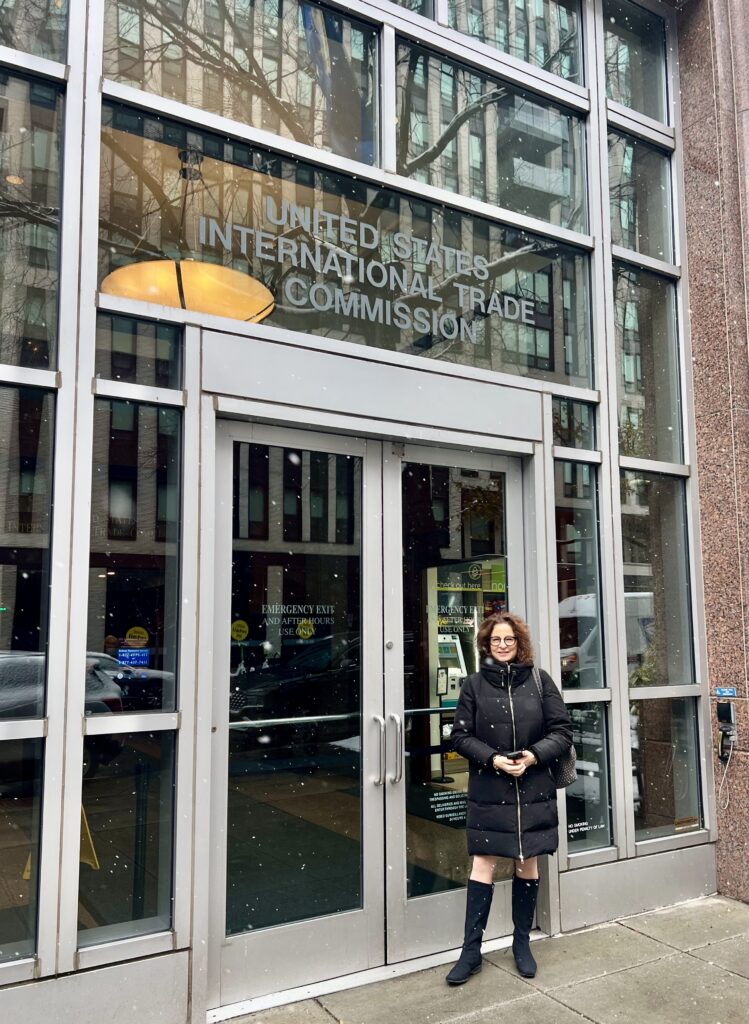
On Friday, December 5, ReMA President Robin Wiener testified during the Office of the U.S. Trade Representative’s (USTR) Public Hearing on the First Joint Review regarding the agreement between the United States of America, the United Mexican States, and Canada (USMCA).
The hearing, which was held December 3-5, 2025, comes as part of the first six-year joint review of the agreement, set for July 1, 2026. Witnesses from different industry and trade organizations testified and answered questions.
During her testimony, Wiener shared the critical role of the recycled materials industry in strengthening North American manufacturing. She also highlighted key points about the essential role of the recycled materials industry including:
- We support nearly 600,000 jobs and provide more than $170 billion in economic activity annually.
- Each year, U.S. recyclers process well over 130 million metric tons of recycled materials, a number that continues to grow because of continuous innovation within the industry.
- Recycled materials are essential inputs for U.S. manufacturers—70 percent of steel produced each year in the U.S. uses recycled steel and between 80 to 85 percent of U.S. aluminum production relies on recycled aluminum.
- In 2024, 89 percent of all U.S. imports of recycled materials came from Canada and Mexico.
She emphasized the recycled materials industry’s critical role in North American supply chains and urged the U.S. to maintain duty-free trade in recycled materials and preserve the USMCA’s existing “waste and scrap” rules. Wiener also highlighted growing trade challenges tied to the Basel Convention and stressed the importance of continued recognition of ReMA’s ISRI Specifications. ReMA’s engagement aims to protect a stable, tariff-free North American market that keeps recycled materials flowing to manufacturers and supports U.S. production.
ReMA applauds the Trump Administration for pursuing actions to revitalize U.S. manufacturers and strengthen the supply chains that underpin U.S. national and economic security.