
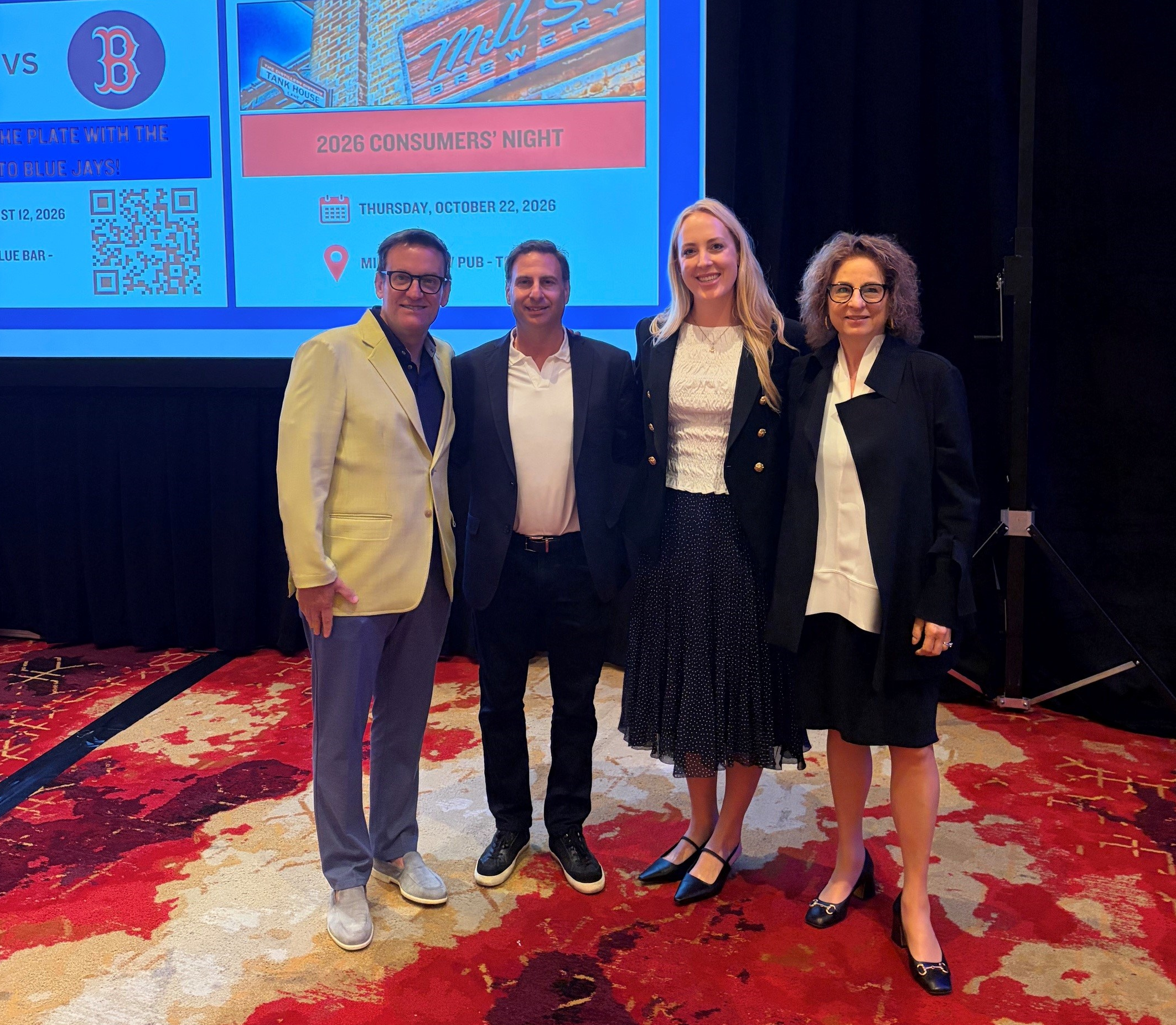
ReMA Leadership Prioritizes Long-term Partnership and Collaboration Across Borders at the CARI Annual Convention
ReMA President Robin Wiener and ReMA Chair Andy Golding attended the Canadian Association of Recycling Industries’ (CARI) Annual Convention in Gatineau-Ottawa as the association celebrated 85 years of leadership, innovation, and service to the recycled materials industry. International engagement allows ReMA to ensure the recycled materials industry’s voice is represented in discussions that increasingly shape global trade, environmental policy, manufacturing supply chains, and sustainability standards.
“I’ve always believed the relationship between Canada and the United States is one of the world’s greatest economic partnerships,” Golding said in his remarks at the Annual General Meeting on June 9. “We share a border, certainly. But more importantly, we share industries, supply chains, customers, and opportunities. And the recycled materials industry reflects that partnership as well as any industry.”
The Canadian Association of Recycling Industries (CARI) represents hundreds of member companies in the recycling sector. Like ReMA, CARI members process, broker, and consume commodities, including ferrous and nonferrous metals, electronics, paper, rubber, glass, textiles, and plastics.
“Our future won’t be built by any one company, country, or association,” Golding said. “It will be built through partnerships like those in this room.”
In her remarks during the Government Relations Panel on June 10, Wiener provided a U.S. perspective on government relations issues, trade policy developments, and broader global market trends impacting the recycled materials industry.
“The U.S. and Canada don’t operate separate recycling markets,” she said. “The flows of recycled materials between the two countries function as a shared North American supply chain that happens to cross a border. It’s one integrated industrial system that’s been working reliably for decades.”
ReMA’s engagement in CARI’s annual convention and other global meetings helps position U.S. recycled materials as an essential component of global manufacturing supply chains and increasingly crucial to decarbonization. These engagements also provide valuable opportunities to coordinate with global partners on shared priorities, identify emerging policy challenges, and promote industry standards that facilitate efficient and transparent trade.
“We are proud of the longstanding collaboration between ReMA and CARI and look forward to continuing our work together to promote safe, sustainable, and economically vital recycling markets throughout North America and around the world,” Wiener said.