

Protecting Supply Chains and Mitigating Risk: ReMA’s Cargo Theft Prevention Panel at the Fall 2026 Meeting
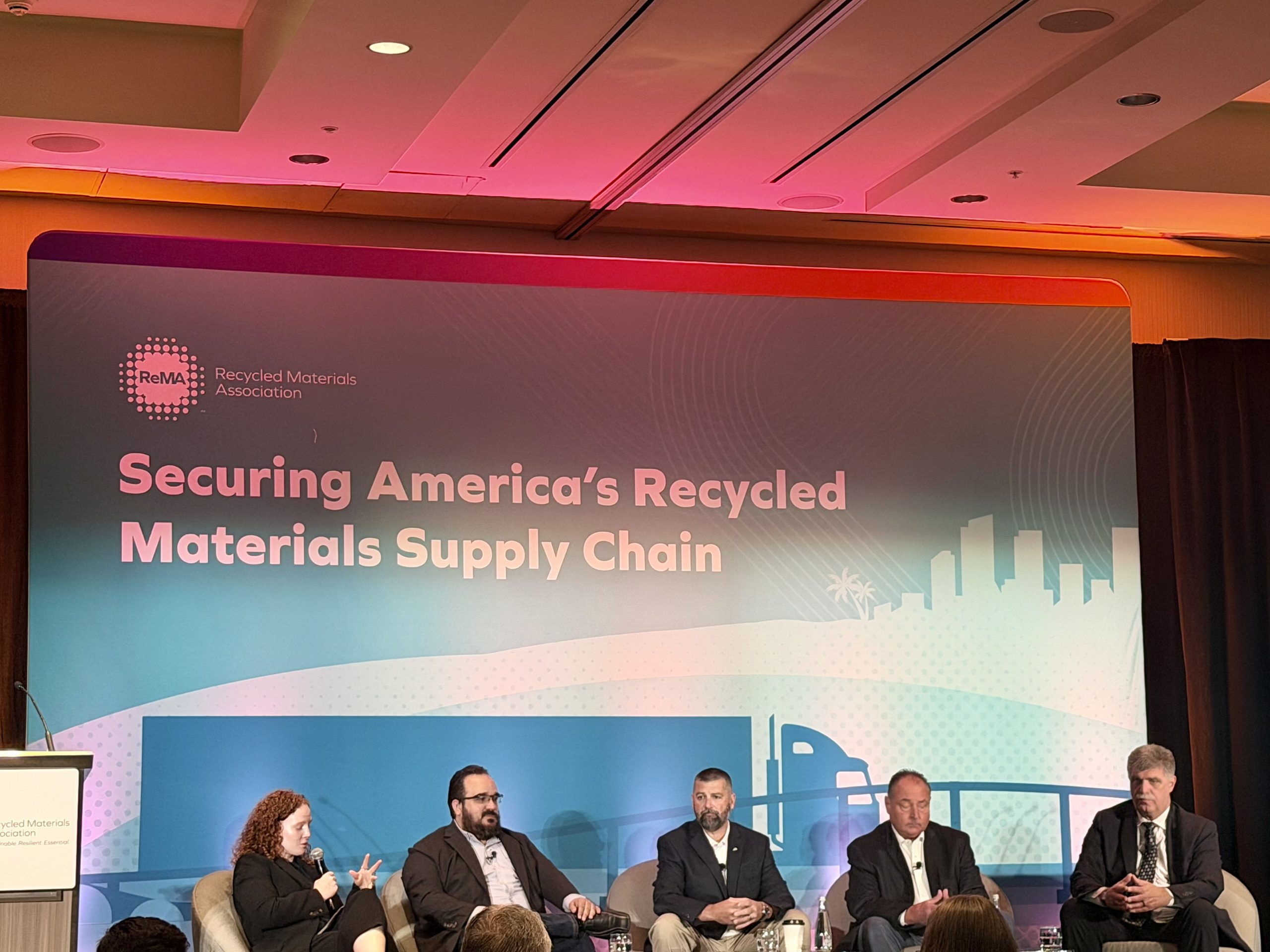
The Lead: At ReMA’s Fall 2026 Meeting, “Cargo Theft: Protecting Recycled Materials in Transit” offered practical insights into protecting high-value materials and strengthening supply chain security.
Why It Matters: Cargo theft is an increasingly sophisticated interstate and transnational crime that disrupts supply chains, endangers workers and threatens businesses—including recycled materials companies—across the country. This panel helped ReMA members better understand evolving cargo theft risks as well as steps to protect shipments, respond when theft occurs and keep business moving.
Key Highlights:
- Laying the Landscape: Speakers Todd Foreman, Danny Ramon, Stephen Spurlock, Joel Squadrito and moderator Kristen Hildreth discussed what’s changed in the last year — what makes cargo theft a different risk today and what the most targeted materials are.
- Supply Chain Vulnerabilities: The speakers analyzed the biggest vulnerabilities when high-valued materials leave a facility from the shipper’s perspective, indicators to help identify elevated shipment risks before theft occurs and common mistakes that companies make that unintentionally increase theft risk.
- Prevention & Security: The panelists reviewed the baseline security practices that every recycler should have in their operations, the importance of supply chain visibility to reduce risk and investment areas to help mitigate risk.
- Incident Response, Recovery/Information Sharing: The speakers shared what companies should do in the first few hours after a theft, how recyclers can coordinate with law enforcement and the role of reporting and data-sharing platforms such as ScrapTheftAlert and CargoNet.
What’s Ahead: ReMA works proactively with law enforcement, policymakers and industry partners to combat materials theft through education, advocacy and tools. ReMA is currently developing new cargo theft prevention resources that provide actionable guidance and suggested strategies to help recycled materials companies protect the movement of goods across the economy.